Persecution of Kurds in Iran
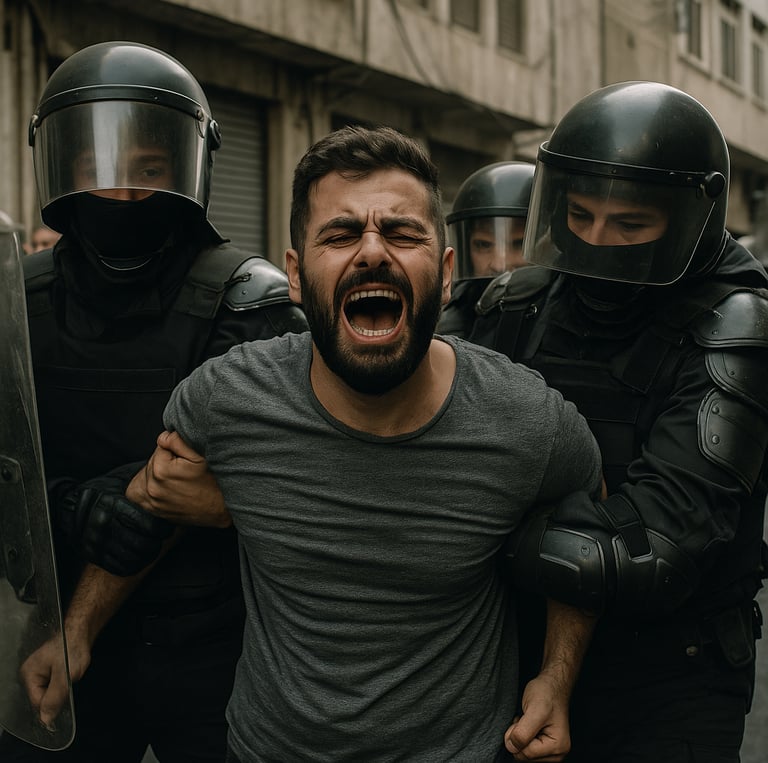
Addressing human rights violations against Kurds in Iran through stories of resilience and resistance.


The 2025–2026 Nationwide Protests & Minority Massacres
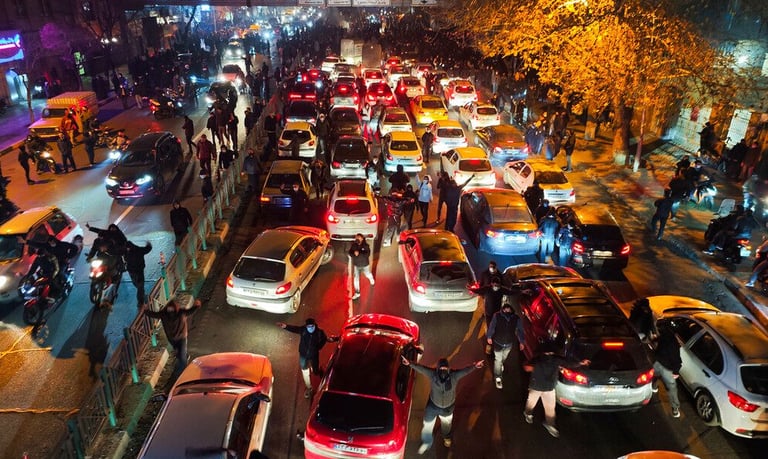
The Trigger: Major protests erupted across Iran on December 28, 2025, sparked by hyper-inflation and a dramatic collapse of the Iranian currency. The movement rapidly transformed into a nationwide demand for the fall of the Islamic Republic.
Amnesty International
The Crackdown: In January 2026, the regime launched its deadliest crackdown in decades. Amnesty International and Human Rights Watch verified that the Kurdish and Luri regions were targeted with the most disproportionate lethal force.
Amnesty International
The Statistics: During the height of the unrest (late December 2025 through January 2026), an estimated 2,000 to several thousand protesters were killed by state security forces using live ammunition and metal pellets. In the context of these mass protests, human rights organisations recorded that over 2,000 Kurdish civilians were arbitrarily arrested.
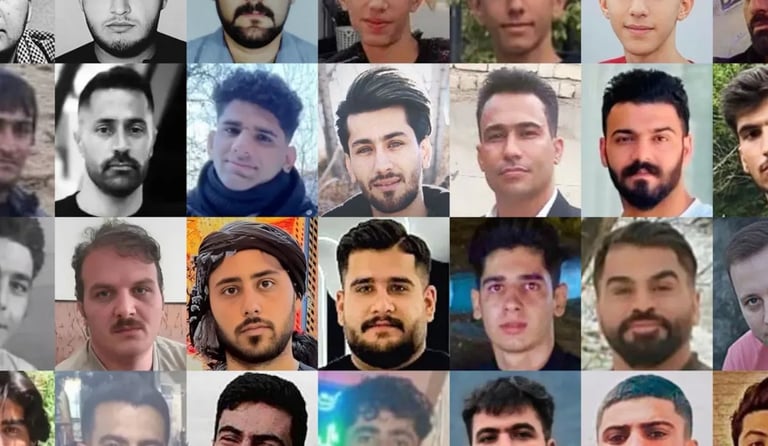
"Wartime Execution Spree" & The Securitisation of Kurdish Identity
The Excuse of "Wartime Conditions": Following the military conflict involving the U.S., Israel, and Iran in early 2026, the regime weaponised national security fears. The judiciary introduced emergency legislation heavily expanding the death penalty for vaguely worded charges like "espionage for Israel," "enmity against God," and "spreading corruption on earth."
Washington Kurdish Institute
Disproportionate Executions: The execution machine has accelerated at a staggering rate. In 2025, over 2,159 people were executed (the highest in decades). According to WKI and Hengaw data, ethnic Kurds consistently make up a massive, disproportionate percentage of these executions and detentions (accounting for nearly half of all political detentions, despite being a minority population).
Washington Kurdish Institute
Recent Cases: In the first quarter of 2026 alone, Hengaw documented at least 160 executions, with Kurdish political prisoners frequently being executed in total secrecy, without families being notified or allowed final visits. On June 1, 2026, the regime secretly executed Ashkan Maleki and Mehrdad Mohammadinia—two Kurdish political prisoners arrested during the January demonstrations.
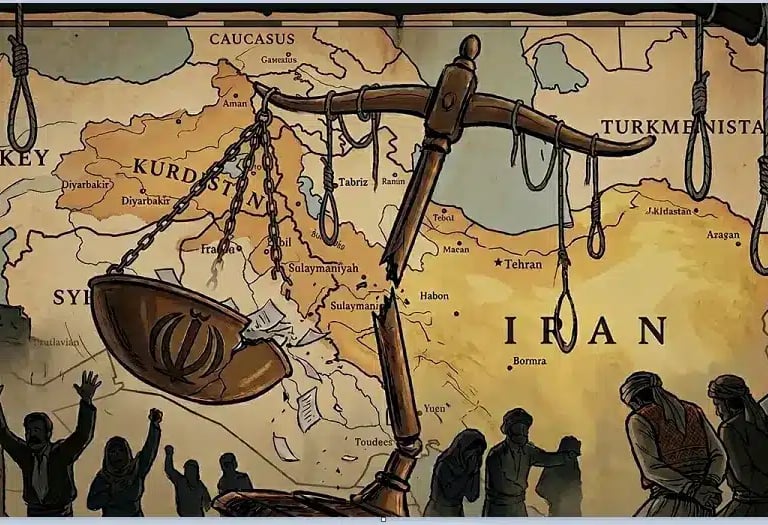
Cross-Border Military Attacks on Kurdish Opposition (June 2026)
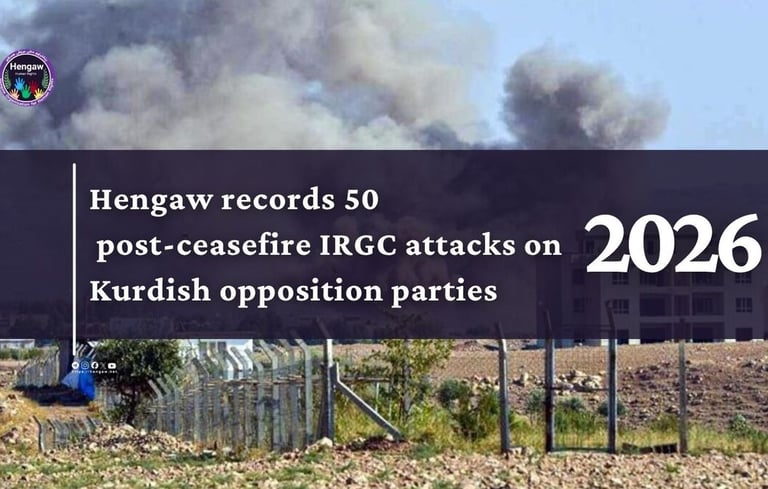
The Statistics: Even after regional ceasefires were announced in April 2026, the Islamic Revolutionary Guard Corps (IRGC) has continued cross-border aggression. As of June 17, 2026, Hengaw has documented 50 separate drone and missile attacks targeting Kurdish-Iranian opposition headquarters and civilian refugee camps inside the Kurdistan Region of Iraq (Bashur).
The Human Cost: These strikes are directly hitting civilian refugee housing. Recent strikes on June 16, 2026, targeted the Democratic Party of Iranian Kurdistan (PDKI) camp in Zewe Spi, killing civilian families and female Peshmerga fighters, including a 17-year-old child, Shahin Azarbarzin.
Iranian Kurds continue to face harsh treatment for expressing their identity, culture, or political beliefs. In 2023 alone, at least 745 Kurdish civilians and activists were arrested for alleged political activity. Many were held without charge, subjected to torture, and denied access to fair legal processes (KHRN).
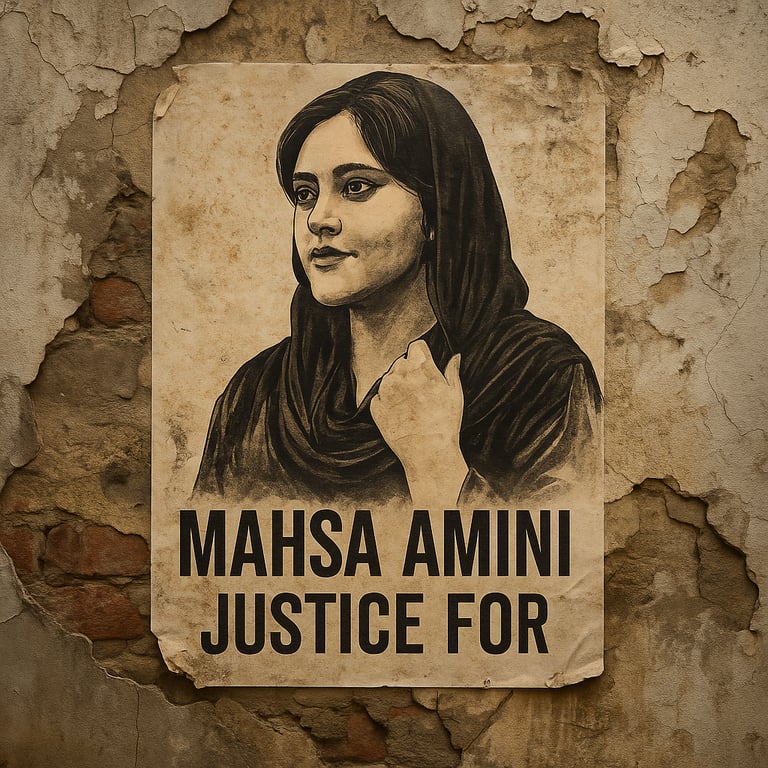
The death of Mahsa (Jina) Amini, a young Kurdish woman, in police custody sparked a national uprising, but protests were crushed with live ammunition, mass arrests, and internet blackouts. Hundreds died in the crackdown (HRW).
https://www.hrw.org/world-report/2023/country-chapters/iran
Peaceful cultural work is also criminalised. Zara Mohammadi, a language teacher, was sentenced to 5 years in prison simply for teaching Kurdish, labelled as “threatening national security” (Amnesty).
https://www.amnesty.org/en/location/middle-east-and-north-africa/middle-east/iran/report-iran/
Kurdish regions remain under tight surveillance, with frequent military presence, restricted internet access, and reports of forced confessions, secret detentions, and collective punishment. Families are often threatened into silence.
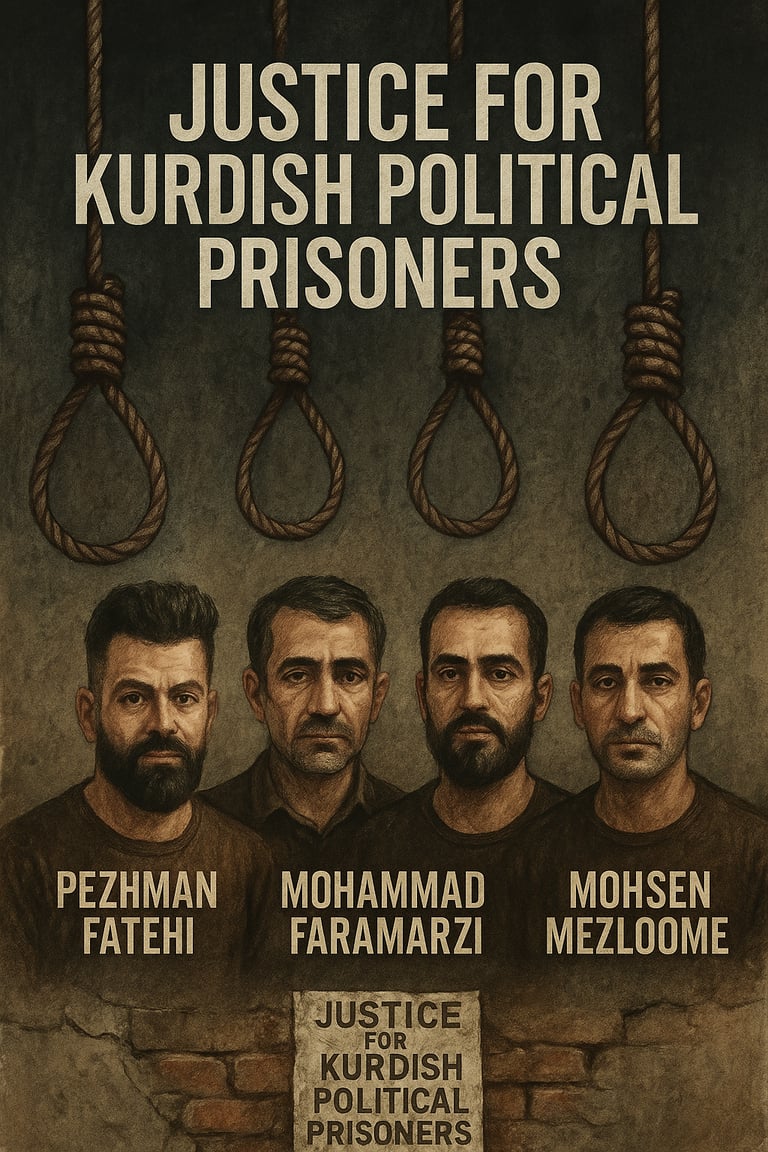
The Iranian regime has executed several Kurdish activists following unfair trials. For instance, in December 2023, four Kurdish political prisoners, Pezhman Fatehi, Mohammad Faramarzi, Vafa Azarbar, and Mohsen Mezloome, were executed after being accused of espionage and "enmity against God," despite international outcry and a lack of due process.
Teaching the Kurdish language and promoting Kurdish culture are criminalised in Iran. Zara Mohammadi, a Kurdish language teacher, was sentenced to five years in prison for her cultural activities, accused of undermining national security.
In 2023, Iran executed at least 853 individuals, marking a significant increase from the previous year. Many of those executed were from marginalised communities, including the Kurdish and Baluch minorities. The death penalty has been used disproportionately against these groups, often following unfair trials and allegations of torture.
https://apnews.com/article/amnesty-death-penalty-executions-report-d9fc6cc8a83118b829f29df348de59a6
In 2024, Iran executed at least 138 Kurdish prisoners, highlighting the regime's alarming use of the death penalty as a tool for political repression. These executions often followed trials lacking transparency and fairness.
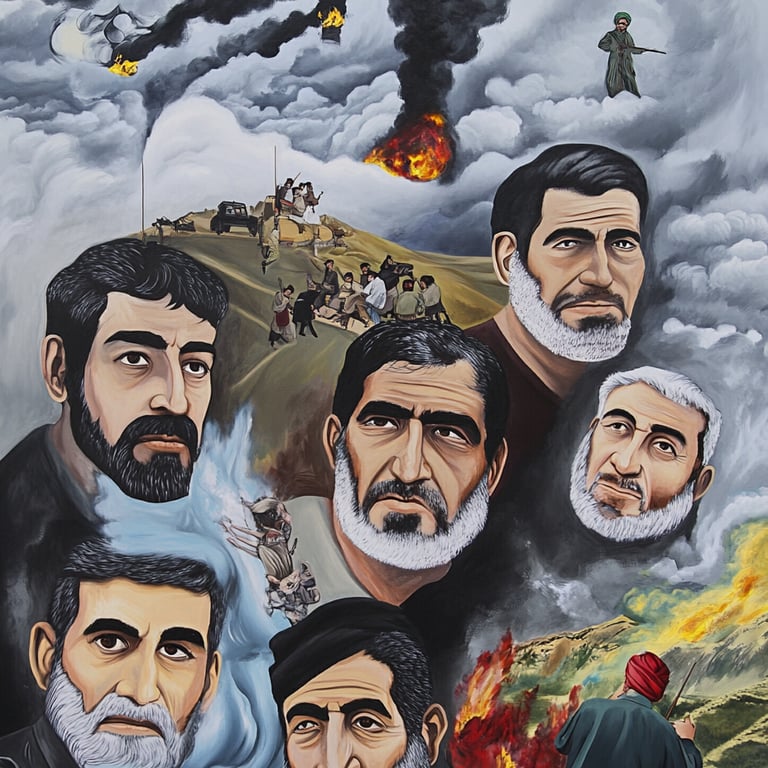
Ehsan Fatahian, a Kurdish activist, was executed in November 2009 after being sentenced to death by the Iranian judiciary for allegedly being a member of the armed wing of Komalah. His execution sparked protests and hunger strikes among political prisoners.
Sherko Moarefi, a Kurdish activist from Baneh, was executed in November 2013 after being convicted on charges of "waging war against God" and "acting against national security." His execution was carried out without prior notice to his family or lawyer.
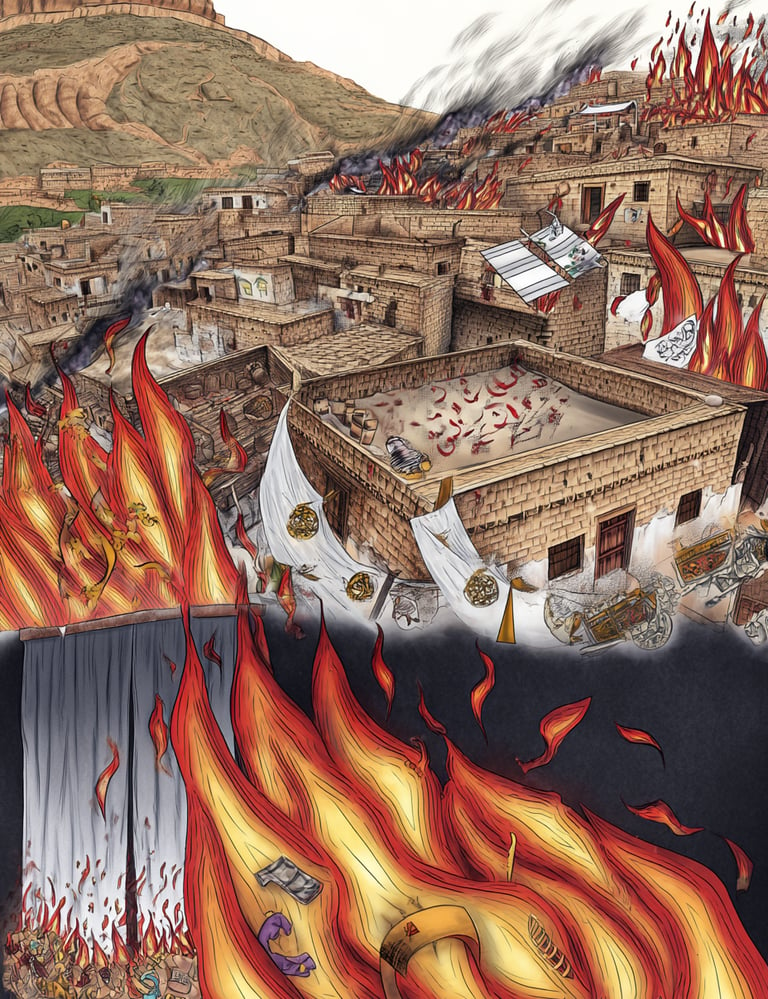
Anwar Khezri, Farhad Salimi, Kamran Sheikheh, and Khosrow Basharat, all from Iran's Kurdish Sunni minority, were at grave risk of execution in 2024. They were convicted after grossly unfair trials and subjected to torture and other ill-treatment. Their cases exemplify the regime's use of the death penalty against ethnic and religious minorities.
In September 2023, Iranian authorities intensified their crackdown on dissent ahead of the anniversary of the 2022 protests. Security forces used excessive and lethal force, arrested thousands, and executed seven individuals after trials that lacked international standards. The repression disproportionately affected Kurdish regions.
https://www.hrw.org/news/2023/09/15/iran-crackdown-dissent-ahead-protest-anniversary
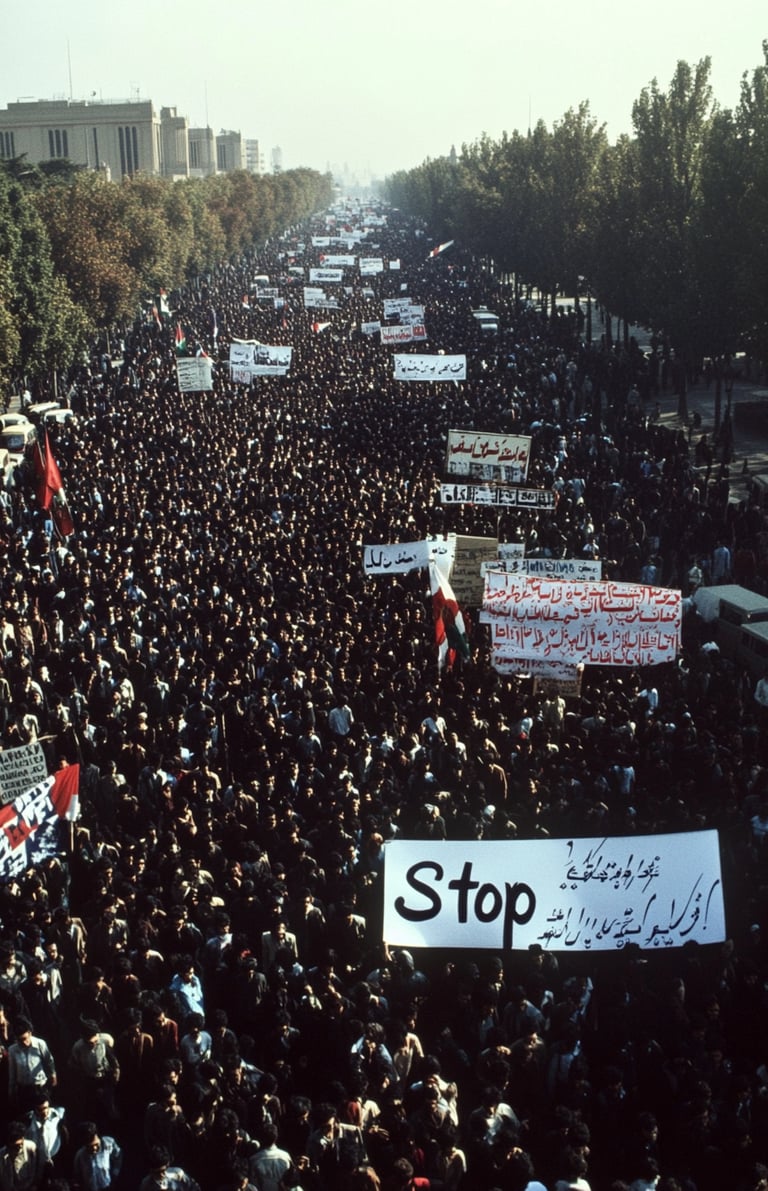
Silenced
A platform for truth and documenting oppression.
Courage
Hope
Bahman Rasuli
© 2025. All rights reserved.